
Tracking biodiversity recovery in cocoa agroforests and degraded lands under restoration
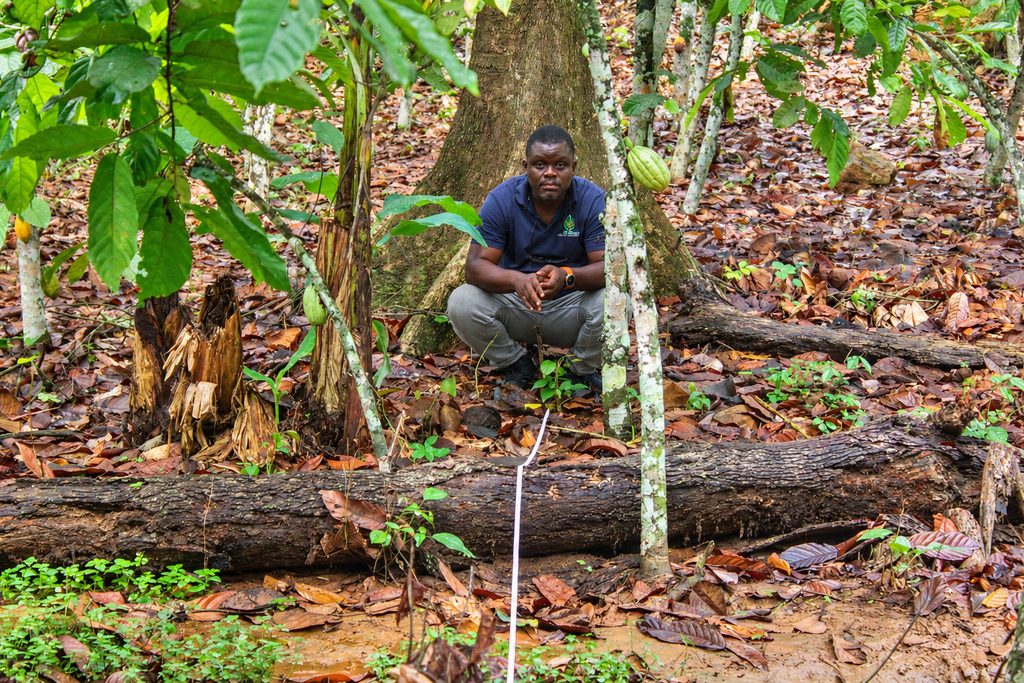
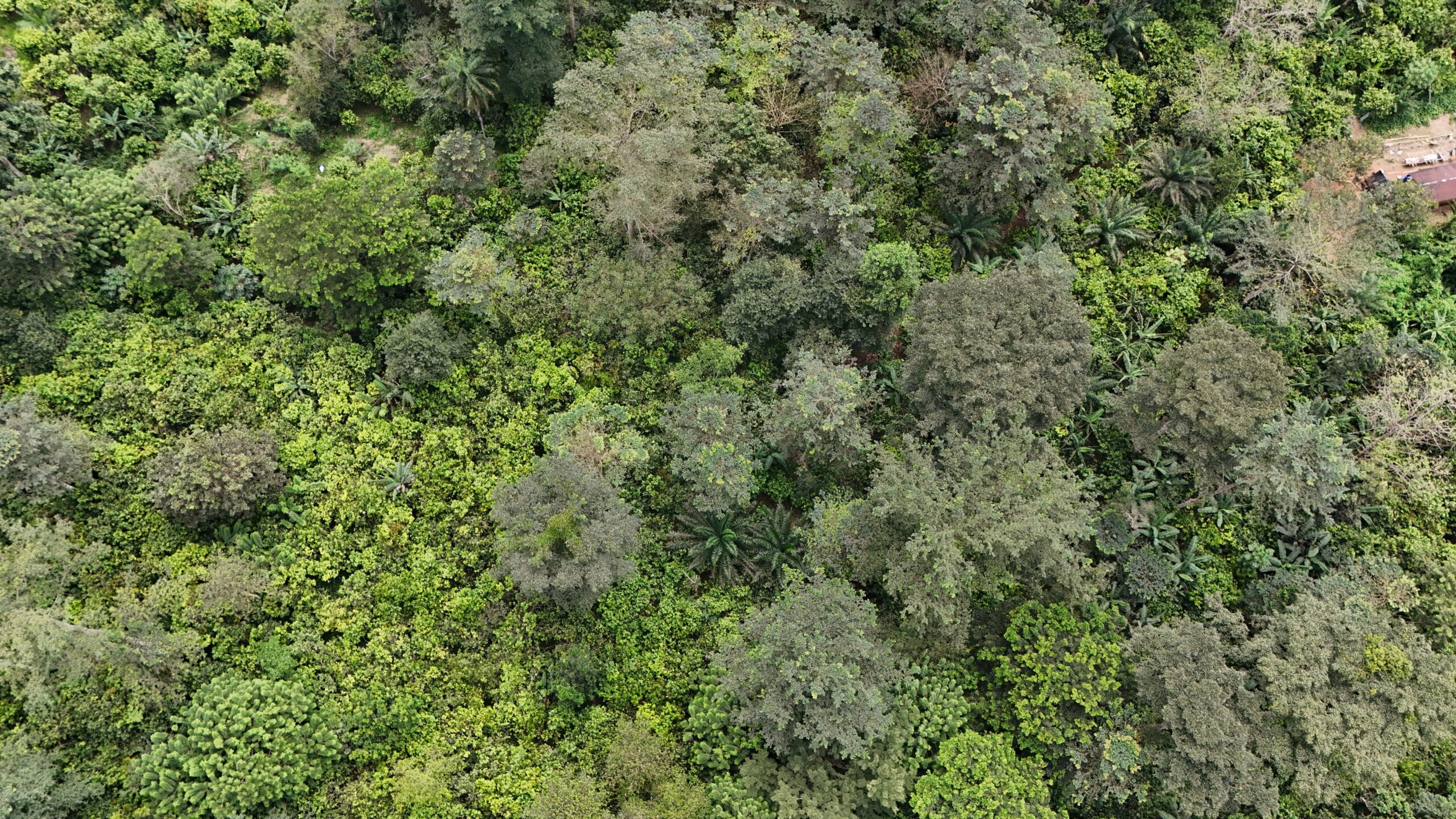
At Advocates for Biodiversity Conservation (ABC), we want to understand how restoration contributes to biodiversity recovery. Beyond counting trees planted, we examine the habitats they create, the species those habitats support, and the changes unfolding across the landscape. ABC’s Biodiversity in Landscapes Monitoring Programme provides a practical framework for this work. It brings together biodiversity assessment, community participation and applied learning to guide the management of cocoa agroforests and degraded lands under restoration in Ghana.
Why biodiversity monitoring matters
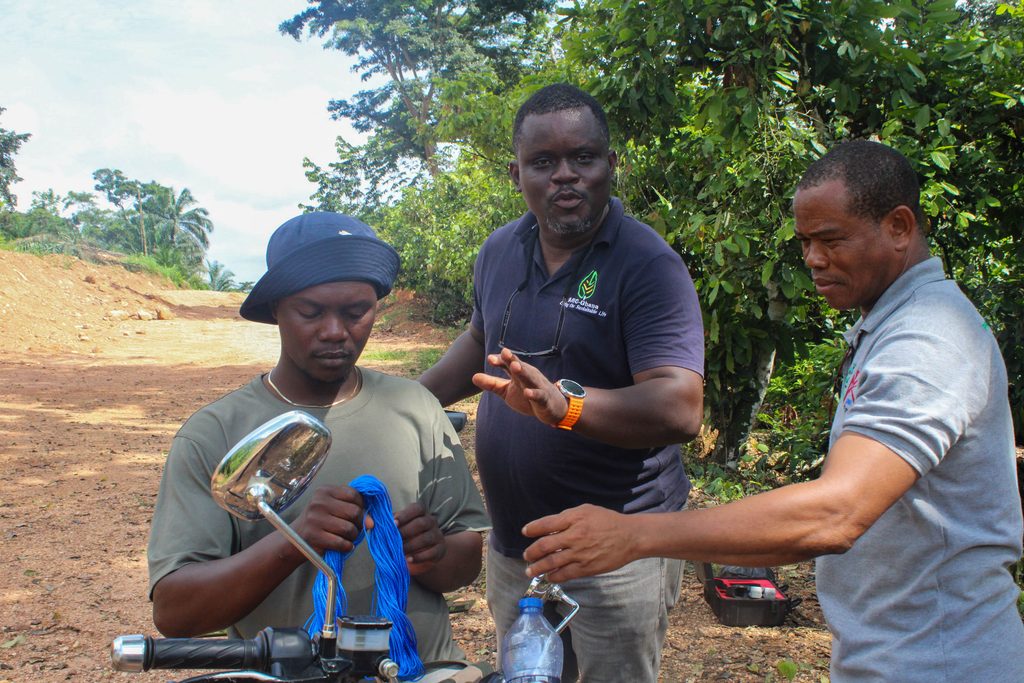
Tree planting is an important first step in restoration. Monitoring what happens next shows whether sites are developing diverse vegetation, supporting wildlife and creating the conditions needed for continued ecological recovery. This evidence also helps farmers, communities and restoration teams make informed decisions. Findings can guide tree-species selection, protect naturally regenerating vegetation, improve habitat management and shape responses to pressures such as fire and land clearing.
What the programme focuses on
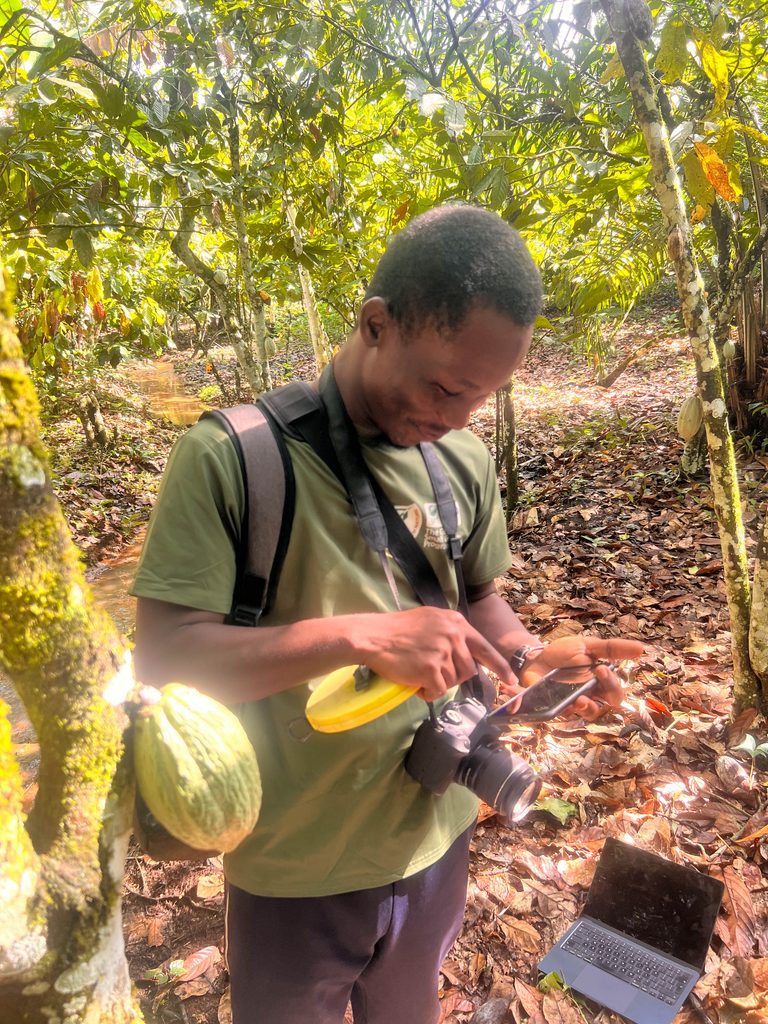
We are developing a practical monitoring approach around four connected areas:
- Trees and natural regeneration: Document tree species, track the survival of planted trees and observe the establishment of naturally regenerating seedlings and saplings.
- Habitat condition: Assess changes in vegetation cover, shade and habitat features that can support biodiversity within farms and restoration sites.
- Selected wildlife: Build capacity to monitor selected species groups using methods that are feasible for ABC and participating communities, with support from technical partners.
- Pressures and management responses: Record factors that affect recovery and use the findings to improve restoration and land-management practices.
Working with communities
Farmers and local communities are central to the programme. Their landscape knowledge helps identify ecological change, interpret observations, and shape practical responses. Through training and collaborative fieldwork, the programme will strengthen community participation in biodiversity monitoring. Community observations will complement structured surveys and specialist input, supported by clear procedures for recording and verifying information. Findings will be shared with participants so that the evidence collected can inform decisions on the ground.
Starting in Lower Bosomtwe
ABC’s cocoa agroforestry work in Lower Bosomtwe is the proposed starting point for strengthening the monitoring system. Initial activities will review available records, select suitable indicators and establish monitoring locations on participating farms. The wider programme also encompasses degraded lands under restoration. Monitoring methods will be tailored to each site’s ecological conditions, restoration objectives and management needs. Implementation will be phased. Geographic coverage and specialist monitoring will expand as technical partnerships, practical experience and resources grow.
Turning evidence into action
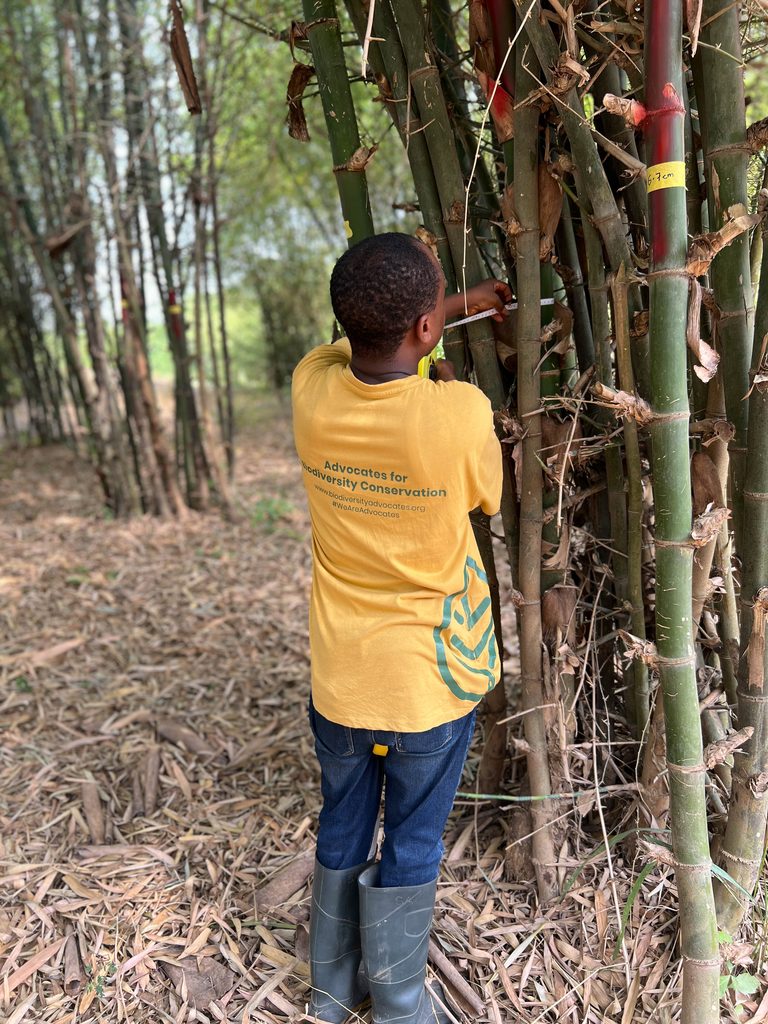
Our goal is to use biodiversity evidence to improve restoration practice and report outcomes responsibly. We will distinguish tree-planting and establishment results from verified evidence of biodiversity change, and communicate findings together with their limitations. Over time, the programme will help ABC and its partners identify which approaches are working, where adjustments are needed and how future investment can better support biodiversity across restored landscapes.
Partner with us
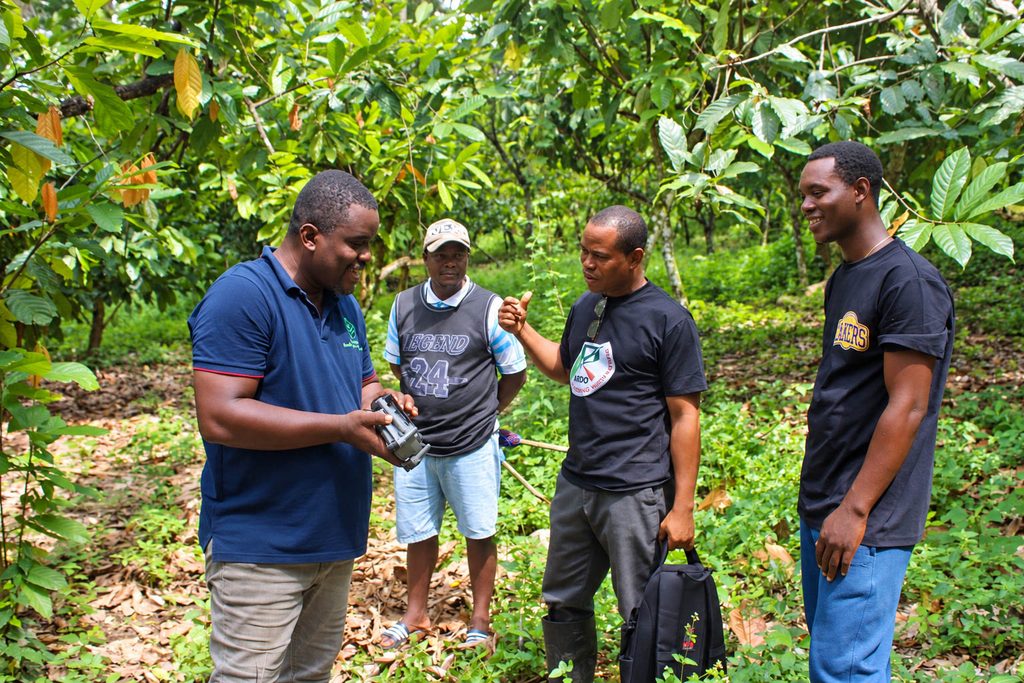
We welcome collaboration with researchers, universities, conservation organisations, technical specialists and funding partners. Priority areas include survey design, species identification, community training, data quality and long-term monitoring.
Together, we can build the evidence needed to improve restoration and support biodiversity across Ghana’s landscapes.