
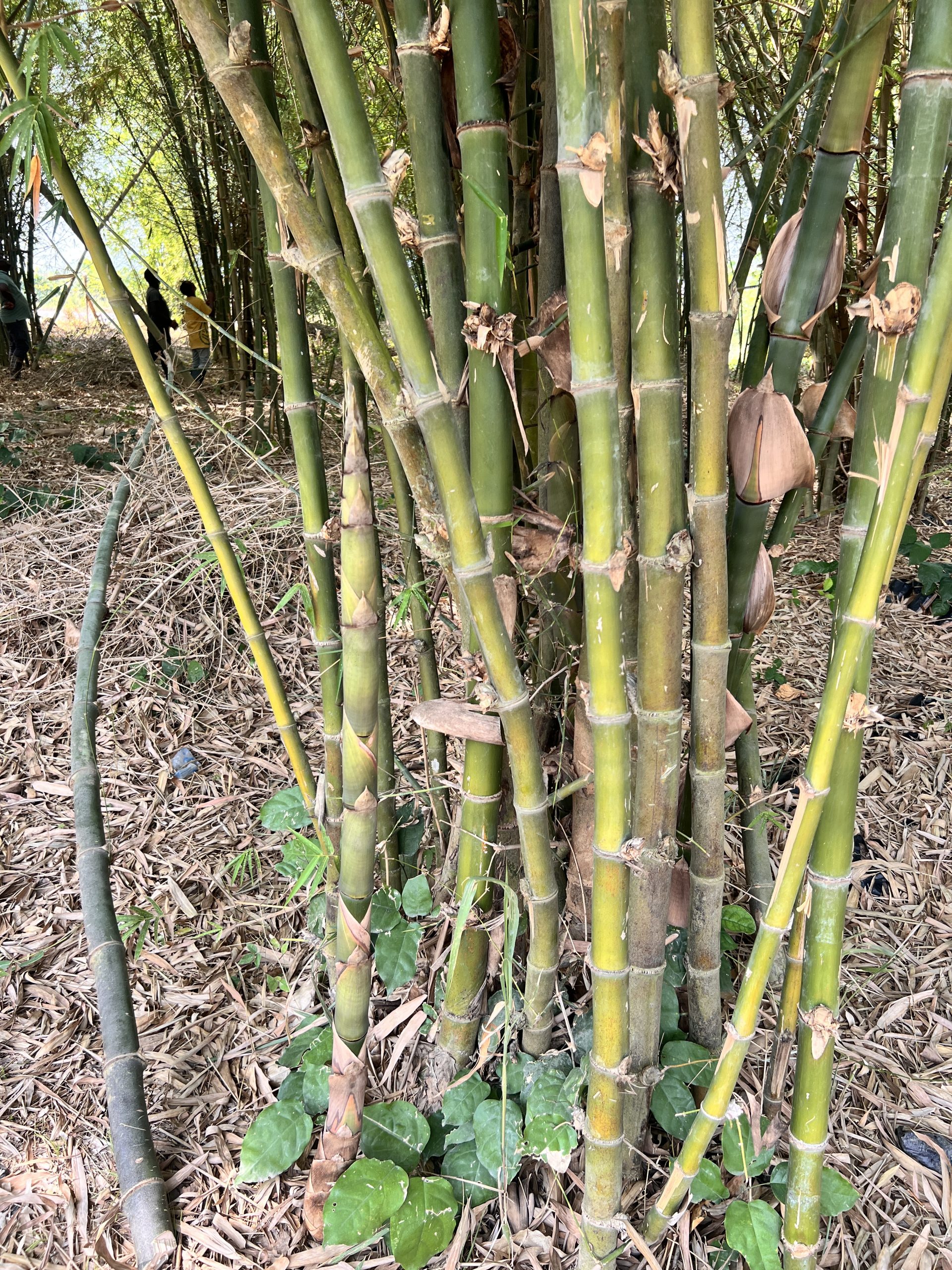
Bamboo is one of Ghana’s most valuable yet underappreciated natural resources. Beyond its economic value, it plays a critical role in protecting ecosystems, supporting biodiversity, improving livelihoods, and strengthening climate resilience. However, the growing practice of unregulated bamboo harvesting is putting these benefits at risk.
ABC is calling for urgent national action to protect Ghana’s bamboo resources before irreversible environmental damage occurs.
Why Bamboo Matters
Bamboo is much more than a fast-growing plant. It is a natural solution to many of Ghana’s environmental challenges.
Healthy bamboo forests help to:
- Prevent soil erosion and land degradation.
- Protect water bodies and regulate water cycles.
- Provide habitats for wildlife.
- Capture significant amounts of carbon, contributing to climate change mitigation.
- Support thousands of livelihoods through furniture production, construction, handicrafts, energy, and other value-added industries.
Its ability to regenerate quickly also makes bamboo an effective species for restoring degraded landscapes, including areas affected by illegal mining (galamsey).
The Growing Threat of Unregulated Harvesting
Despite its importance, bamboo harvesting across many parts of Ghana is taking place with little or no regulation.
According to ABC’s Director of Technical Operations, Vincent Awotwe-Pratt, unsustainable harvesting practices are depleting bamboo resources faster than they can recover. The indiscriminate cutting of mature bamboo without proper management threatens biodiversity, weakens ecosystem services, and increases the risks of flooding, erosion, and habitat loss.
Without clear harvesting standards and restoration efforts, Ghana risks losing one of its most valuable renewable natural resources.
Why Ghana Needs Stronger Policies
ABC believes that effective bamboo conservation requires more than awareness—it requires policy action.
The organisation is advocating for:
- A national framework for sustainable bamboo harvesting.
- Clear harvesting regulations and enforcement mechanisms.
- Mandatory replanting after harvesting.
- Investment in bamboo restoration programmes.
- Increased public education on the ecological and economic value of bamboo.
- Collaboration between government institutions, local communities, the private sector, and civil society.
Sustainable management will ensure bamboo remains available for future generations while supporting Ghana’s green economy.
Bamboo and Climate Resilience
As Ghana works towards addressing climate change and restoring degraded landscapes, bamboo presents an opportunity that cannot be overlooked.
Its rapid growth, high carbon absorption capacity, and ability to rehabilitate damaged soils make it an ideal species for reforestation and land restoration initiatives. Integrating bamboo into national environmental programmes can help improve ecosystem resilience while creating sustainable income opportunities for local communities.
A Shared Responsibility
Protecting Ghana’s bamboo resources is a shared responsibility.
Government agencies, traditional authorities, local communities, environmental organisations, researchers, and private sector actors all have a role to play in ensuring bamboo is harvested responsibly and restored sustainably.
By acting now, Ghana can safeguard its biodiversity, strengthen climate resilience, and unlock the full economic potential of its bamboo resources.
Read full article here; https://www.citinewsroom.com/2025/03/abc-criticises-unregulated-bamboo-harvesting-in-ghana/