
A familiar plant, a new conversation
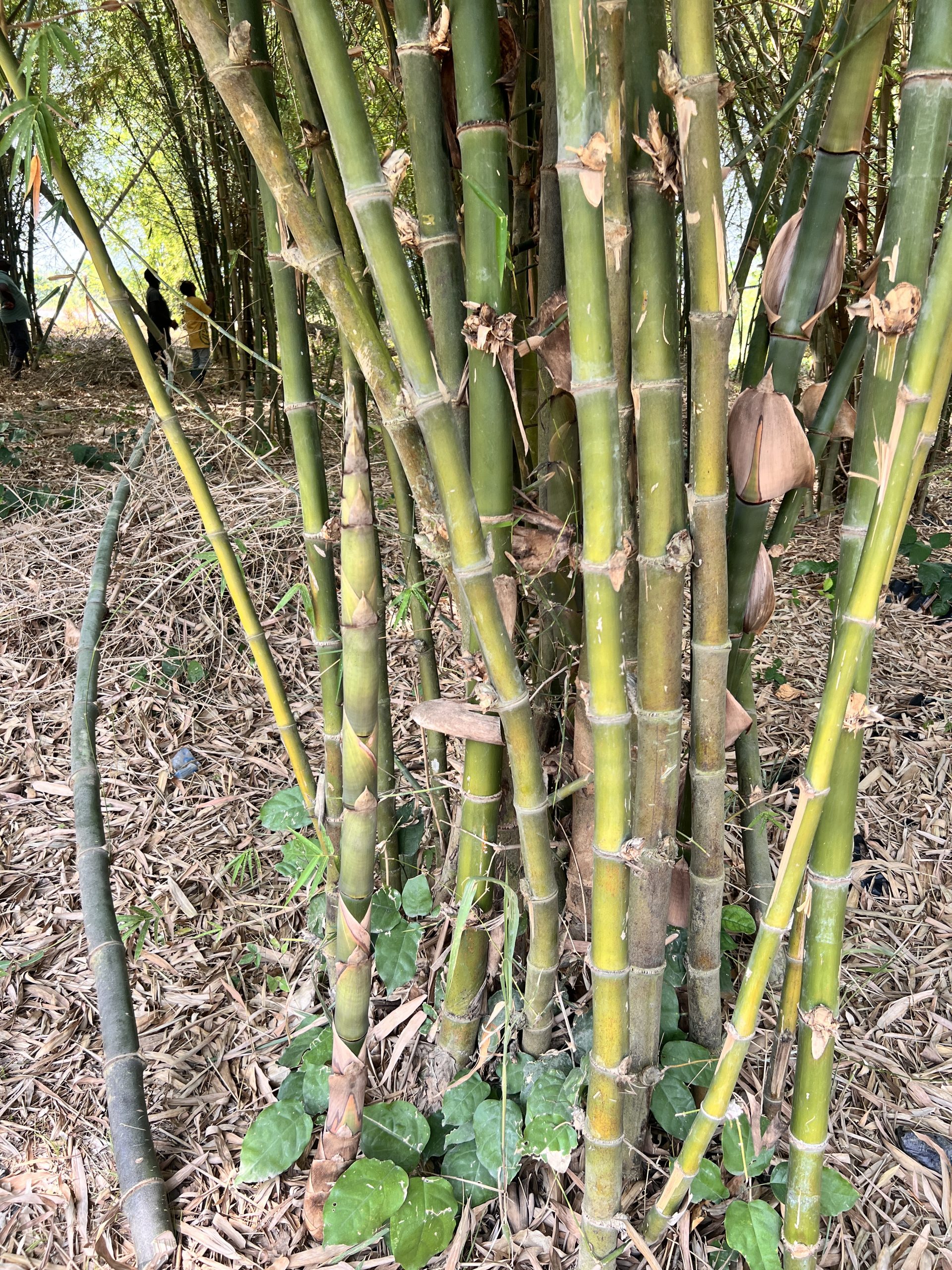
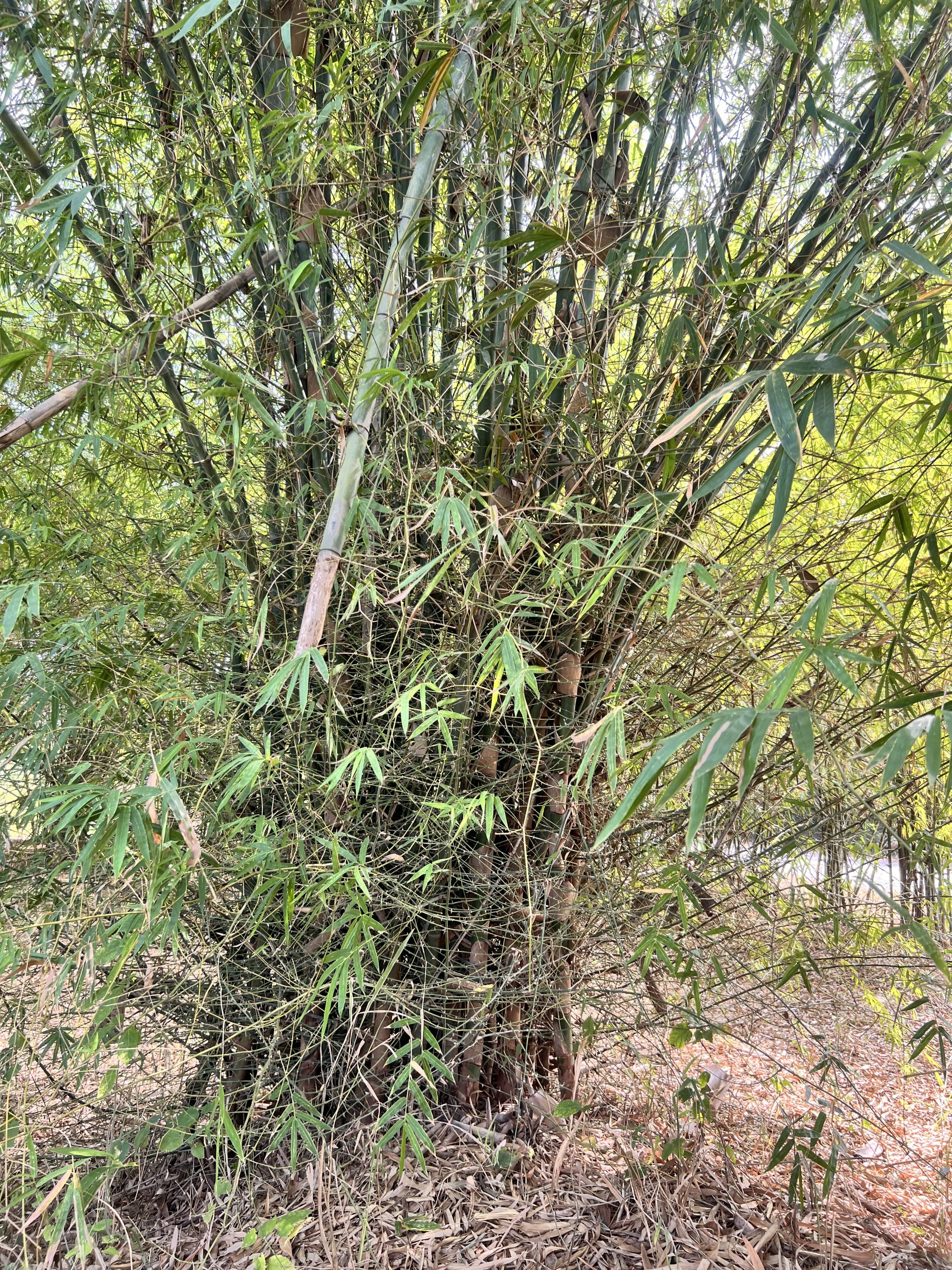
In many rural communities across Ghana, bamboo is a familiar sight. It grows along streams, beside farms and in patches of vegetation that people have known for generations. For some households, it is a convenient material for fencing, construction and everyday use. For others, it is simply part of the landscape, rarely attracting much attention.
But what if this familiar plant could become something more?
What if bamboo could help restore degraded landscapes, create employment for young people, provide opportunities for women and strengthen the livelihoods of farming households?
These questions matter now more than ever, especially for rural communities across Ghana, where farming households are working harder to earn a living from land that is gradually losing its fertility. With changing rainfall patterns, declining soil quality and the continued loss of natural vegetation, many households are finding it increasingly difficult to depend on the resources that have supported them for generations.
For Advocates for Biodiversity Conservation (ABC), bamboo offers more than just environmental benefits. It presents an opportunity to help communities protect and restore their natural surroundings while exploring new ways to earn a living. At the heart of ABC’s approach is a simple belief: caring for the environment should also improve the lives of the people who depend on it. This message recently came to life in Duase, a farming community in the Bosome Freho District of Ghana’s Ashanti Region, where community members gathered to explore the opportunities bamboo could offer for their environment, livelihoods and future generations.
When communities come together for bamboo
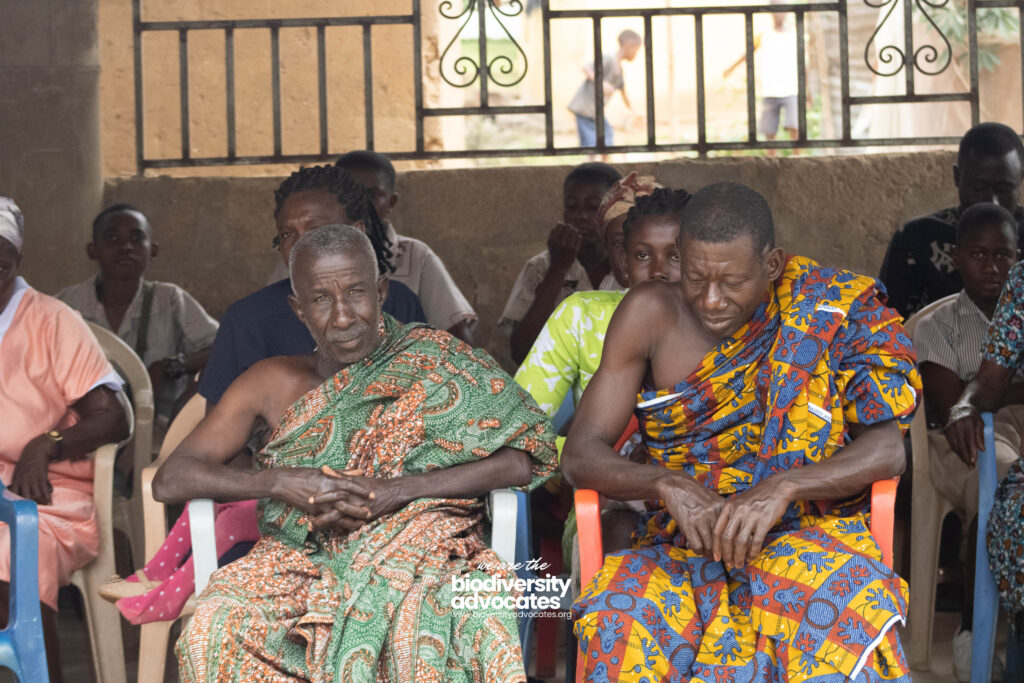
On 20 September 2026, the community of Duase in Ghana’s Ashanti Region came alive as people from different backgrounds gathered to celebrate World Bamboo Day. Traditional leaders, farmers, schoolchildren, teachers and other community members came together with a shared interest in learning more about bamboo and the opportunities it could bring to their communities. The event brought together 349 participants from six neighbouring communities: Duase, Dompa, Ankaase, Atafram, Amakom and Agyamam. Beyond the numbers, the gathering reflected something even more meaningful: a growing willingness among local people to take an active role in protecting their environment and building a better future for their families.
The gathering was not just about celebrating bamboo. It was an opportunity for people to learn, share ideas and reflect on how a plant many had known all their lives could contribute to healthier landscapes and improved livelihoods. Discussions explored the environmental benefits of bamboo, its practical uses and how communities could make better use of their natural resources without compromising the environment.
One of the encouraging aspects of the event was the involvement of traditional leaders. In rural Ghana, chiefs and elders are more than custodians of tradition; they are respected voices whose guidance often shapes community decisions and collective action. Their participation helped reinforce the message that protecting the environment is a shared responsibility. It also highlighted the importance of building conservation efforts around the people, traditions and local knowledge that already exist within these communities. By bringing traditional leadership and community members into the conversation, the programme helped lay the foundation for greater local ownership of environmental conservation and sustainable livelihood initiatives.
Equally encouraging was the participation of children and young people.
For children growing up in farming communities, caring for the environment may not always be something they think about in their everyday lives. But when they have the opportunity to learn about it within their own communities, surrounded by familiar people and places, the message becomes easier to understand and appreciate. A bamboo plant growing along a stream or near a farm is no longer just an ordinary plant they pass by every day. They begin to see how it can help protect the soil, support the environment and contribute to the well-being of their families and communities.
This is what made the gathering in Duase particularly meaningful. It was more than an event to raise awareness about bamboo. It brought children, parents, farmers, teachers and traditional leaders together to learn from one another and reflect on their shared responsibility to care for the environment. More importantly, it helped young people see that they, too, have a role to play in protecting the natural resources their communities depend on today and for generations to come.
Why bamboo matters for Ghana’s changing landscapes
For many farming families, the land is more than just a place to grow crops. It is their main source of income, food and livelihood. When the soil loses its fertility, trees and other vegetation disappear, or water becomes scarce, families feel the effects directly. Crop yields may decline, household incomes may fall, and providing enough food for the family can become increasingly difficult. This is why protecting and restoring the land is so important for rural communities.
Bamboo is one plant that could contribute to these efforts. Its extensive root system helps hold the soil together and can reduce erosion, particularly in areas where the land has been degraded. Bamboo also grows relatively quickly and can regenerate after harvesting, making it a useful source of materials that communities can benefit from over time.
When planted in suitable areas and properly managed, bamboo can support efforts to restore degraded land, protect water sources and improve the surrounding environment. It can also complement other practices, such as agroforestry, that help farmers maintain healthier and more productive landscapes. However, bamboo cannot solve every environmental problem. Not every bamboo species is suitable for every location, and planting bamboo should not come at the expense of existing forests, native vegetation or biodiversity. Understanding the local environment is therefore essential before introducing bamboo into any restoration activity.
For Advocates for Biodiversity Conservation (ABC), this is an important consideration. The goal is not simply to plant bamboo but to ensure that its use contributes to healthier landscapes and benefits the communities that depend on them. This thinking also guides the organisation’s work in degraded cocoa-growing areas, where the well-being of farming families is closely connected to the health of their environment.
For a cocoa farmer, healthy soil means a better chance of maintaining productive cocoa trees. Reliable water resources help sustain farms, while trees and other vegetation contribute to a healthier farming environment. Protecting these natural resources is therefore not just about conserving nature. It is also about protecting farmers’ livelihoods, strengthening their ability to cope with environmental challenges and creating better opportunities for future generations.
Ultimately, ABC believes that restoring the environment and improving people’s livelihoods should go hand in hand. When communities are supported to care for the land that sustains them, environmental conservation becomes more than a long-term goal. It becomes something that makes a meaningful difference in their everyday lives.
From a bamboo stem to a business opportunity
For generations, bamboo has been part of everyday life in many rural communities. People have used it to build simple structures, make household items and support various farming activities. Yet, despite its many uses, much of its economic potential remains untapped. In many communities, bamboo is still seen mainly as a material for household use rather than a resource that could create jobs, support small businesses and provide additional income for families.
With the right skills, tools and market opportunities, bamboo could open up new livelihood opportunities, particularly for women and young people. For example, a young person who depends largely on seasonal farm work could learn how to make bamboo chairs, tables and other furniture for sale. A women’s group could turn bamboo into beautifully woven baskets, household items and decorative products for local markets. Farmers could also use properly treated bamboo to build affordable structures for certain agricultural activities, reducing their dependence on more expensive construction materials.
These are some of the possibilities that bamboo presents, rather than businesses already established through ABC’s community outreach activities. However, having bamboo growing in a community does not automatically translate into income. People need opportunities to learn practical skills, access appropriate equipment, improve the quality of their products and find customers who are willing to buy what they produce. Without these forms of support, the economic benefits of bamboo may remain out of reach for many rural households.
Another important consideration is ensuring that local people benefit from the opportunities bamboo creates. If bamboo becomes a valuable commercial resource, the communities that grow, manage and protect it should have a fair opportunity to participate in the businesses built around it. Rather than selling bamboo only as a raw material, local people should also be able to take part in processing, product development and marketing, where additional income can be earned.
For Advocates for Biodiversity Conservation (ABC), this connection between environmental protection and people’s livelihoods is particularly important. Conservation efforts are more meaningful to communities when they also create opportunities to improve everyday life. A farmer who earns additional income from sustainably managed bamboo, or a young person who develops a livelihood through bamboo craftsmanship, may have a stronger reason to protect the resource and ensure that it continues to grow.
Ultimately, the opportunity goes beyond planting and harvesting bamboo. It is about helping communities recognise the value of the natural resources around them and explore ways to benefit from those resources without destroying them. When properly managed, bamboo could become a source of both environmental restoration and economic opportunity, helping rural families build more secure livelihoods while caring for the landscapes on which they depend.
Women and young people must be part of the story
In many rural communities, women and young people play an important role in supporting their families. Women often combine farming with household responsibilities and small trading activities, while many young people depend on seasonal farm work and other informal jobs to earn a living. Despite their contributions, they do not always have the same opportunities to access land, financial support, training or resources needed to start and grow their own businesses.
Bamboo could provide another opportunity for women and young people to improve their livelihoods. With the right support, young people could learn practical skills in bamboo processing, furniture making, product design and nursery management. Others could explore how bamboo can be used to develop affordable agricultural structures or other innovative products. Women could also benefit from opportunities in raising bamboo seedlings, making handicrafts, selling bamboo products and managing small businesses or community-based enterprises.
For example, a young person who struggles to find regular employment could learn how to turn bamboo into useful household products. A group of women could work together to establish a small bamboo nursery or produce baskets and other items for sale. Such activities could provide additional sources of income, especially during periods when farming alone cannot meet household needs.
However, these opportunities will only make a difference if women and young people are given the support they need to participate. Training should be practical, affordable and organised in ways that fit into their daily lives. They also need access to suitable tools, financial resources and markets for their products. Equally important, they should be involved in decisions about how bamboo resources are managed, which business opportunities are developed and how the benefits are shared.
For Advocates for Biodiversity Conservation (ABC), meaningful community participation is an important part of achieving lasting environmental change. The organisation recognises that every community has its own needs, challenges, skills and priorities. What works in one community may not necessarily work in another. Rather than simply introducing bamboo and expecting people to find ways to benefit from it, the emphasis should be on listening to communities, understanding their circumstances and helping them explore opportunities that are practical and relevant to their lives.
At the heart of this approach is a simple idea: environmental restoration should create opportunities for the people who depend on the land, including women and young people whose contributions are sometimes overlooked. When community members are involved in shaping decisions and can see how conservation might improve their livelihoods, they are more likely to take ownership of efforts to protect and sustainably manage their natural resources.
For ABC, the long-term goal is not just to encourage communities to plant and protect bamboo, but to help create conditions in which environmental conservation, local knowledge and economic opportunities can grow together.
The next generation of environmental stewards
One of the most meaningful aspects of the World Bamboo Day outreach was the involvement of schoolchildren and teachers. Environmental restoration is a long-term commitment. The decisions made today about forests, farms and water resources will influence the conditions inherited by future generations.
This makes environmental education especially important. When children understand how vegetation protects the soil, why biodiversity matters and how natural resources can be used responsibly, they begin developing the knowledge needed to make more informed decisions. Schools can help sustain this learning through environmental clubs, practical demonstrations and community conservation activities.
For ABC, engaging young people is an investment in the future of conservation. The hope is that today’s environmental lessons will influence tomorrow’s farmers, entrepreneurs, community leaders and decision-makers. The wider lesson is that restoration is not only about planting. It is also about building knowledge, responsibility and a lasting connection between people and nature.
Moving beyond awareness to lasting action
The enthusiasm surrounding community outreach is encouraging, but awareness alone will not restore a degraded landscape or create a sustainable business.
For ABC, the next challenge is to turn growing interest in bamboo into practical opportunities for community learning, responsible resource management and potential livelihood development. This could include identifying suitable locations for bamboo-related demonstrations, supporting training in sustainable management, exploring small-scale processing opportunities and strengthening partnerships with technical institutions and local authorities.
Any future interventions must be guided by community priorities, ecological suitability and realistic assessments of economic demand. Monitoring will also be essential. It is important to understand not only how many people participate in an activity, but whether knowledge improves, sustainable practices are adopted and meaningful livelihood benefits eventually emerge. Such evidence can help distinguish promising ideas from approaches that genuinely work. For communities facing the combined pressures of environmental change and economic uncertainty, that distinction matters.
A future rooted in people and nature
The story emerging from Duase is not one of a village transformed overnight. It is the beginning of a conversation about what becomes possible when communities look at familiar natural resources through a different lens. Bamboo alone cannot solve rural poverty, reverse every form of environmental degradation or guarantee a more prosperous future.
But with appropriate ecological management, practical skills, investment and community leadership, it could become one part of a broader response to these challenges. For Advocates for Biodiversity Conservation, the message is clear: restoring landscapes should go hand in hand with creating opportunities for the people who depend on them. The long-term success of conservation will depend not only on what grows from the soil, but also on the knowledge, livelihoods and sense of ownership that grow within communities.
In Duase, that journey has begun with people coming together, sharing ideas and discovering new possibilities in a plant they have known all their lives. And perhaps that is where meaningful change often begins: not with something entirely new, but with a familiar resource, a fresh perspective and a community willing to imagine a different future.